HEAVEN IN HER ARMS – THE END OF PURIFICATION: WHERE ASHES LEARN TO SHINE EN/FR
EN
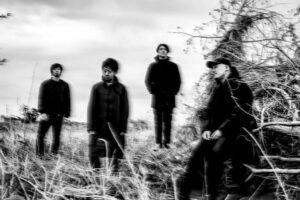
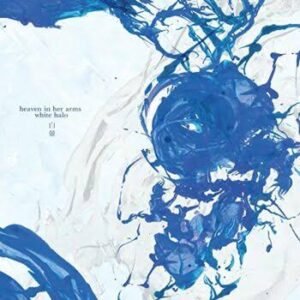
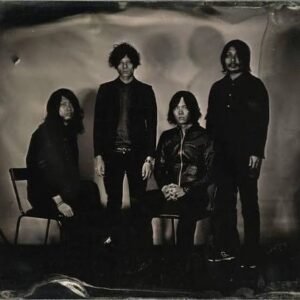
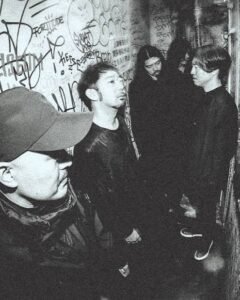
Some silences are never truly empty. Absences that still breathe beneath the skin, memories that refuse to die, and wounds that time simply cannot heal. Nine years have passed since White Halo, nine years during which Heaven In Her Arms has allowed its ghosts to grow in the darkness. On November 13, 2026, the Japanese band finally breaks that silence with The End of Purification, a fourth album as devastating as it is deeply human, released via BANSHIES.
But this is no story of miraculous rebirth. Nothing ever truly disappears. Not the pain, not the regrets, not the faces we still search for in the shadows. Music becomes a paradoxical sanctuary, a place where we allow ourselves to get lost in the hope that, perhaps, we might find our way back.
Since emerging from Tokyo, Heaven In Her Arms has mastered the delicate art of making violence and vulnerability coexist. Moving between post-hardcore, screamo, and soaring post-rock, the band crafts sonic landscapes where three guitars intertwine like voices desperately struggling to be heard. With The End of Purification, that signature sound takes on an almost monumental scale. The production opens up, the textures grow richer, and every eruption feels as though it could tear through the very boundaries of space. Yet beneath all that immensity, the emotion remains achingly intimate.
FR
Il existe des silences qui ne sont jamais vraiment vides. Des absences qui continuent de respirer sous la peau, des souvenirs qui refusent de mourir et des blessures que le temps ne parvient pas à refermer. Neuf années se sont écoulées depuis White Halo, neuf années durant lesquelles Heaven In Her Arms a laissé ses fantômes grandir dans l’obscurité. Le 13 novembre 2026, les Japonais brisent enfin ce silence avec The End of Purification, un quatrième album aussi dévastateur que profondément humain, publié chez BANSHIES.
Mais ici, il n’est pas question de renaissance miraculeuse. Rien ne disparaît véritablement. Ni la douleur, ni les regrets, ni les visages que l’on cherche encore dans les ombres. La musique devient alors un refuge paradoxal, un endroit où l’on accepte de se perdre pour espérer, peut-être, se retrouver.
Depuis leurs débuts à Tokyo, Heaven In Her Arms cultive cet art singulier de faire cohabiter la violence et la fragilité. Entre post-hardcore, screamo et envolées post-rock, le groupe façonne des paysages sonores où trois guitares s’entrelacent comme autant de voix cherchant désespérément à se faire entendre. Avec The End of Purification, cette identité prend une dimension presque monumentale. La production s’élargit, les textures gagnent en profondeur et chaque explosion semble vouloir repousser les limites de l’espace. Pourtant, derrière cette immensité, l’émotion reste terriblement intime.
EN
From the very first seconds of “Dawn Yarn”, the guitars command attention with a striking intensity, slowly tracing the outlines of a storm whose violence can already be felt brewing beneath the surface. Then, barely forty seconds in, all hell breaks loose. The tempo kicks into overdrive, screams tear through the atmosphere, and we’re suddenly thrown headfirst into chaos as mesmerizing as it is meticulously controlled. But this journey is anything but a straight line. The instruments settle, the voices fall silent, offering much-needed moments to catch our breath before the fury takes hold once again. A spoken voice emerges from the turmoil, like a whispered confession on the edge of an abyss. The composition then takes on an almost theatrical quality before revealing an unexpected tenderness. Violins enter the picture, soon joined by a piano whose notes seem to gently soothe the wounds left behind by the earlier explosions. The emotion becomes palpable, almost physical. Another eruption sweeps everything away before the final seconds surrender to a handful of guitar notes hanging in the air. As though, after screaming its heart out, the song has nothing left in it but a whisper.
“Threads of Collapse” opens in an almost otherworldly atmosphere. A soft rustling reminiscent of rainfall or rolling waves accompanies a few piano notes, while a distant voice seems to tell a story whose words remain beyond our grasp. The melody gradually swells, the drums enter the picture, and the guitars eventually join screams that are nothing short of heartbreaking. Because this isn’t about anger. These cries sound more like those of a tormented soul, someone who can no longer find the words to express what’s eating them alive. At times, the voices seem to answer one another, as though different kinds of pain were trying to communicate without ever finding a way to offer comfort. Spoken passages provide fleeting moments of calm, but the tension keeps building beneath the surface until the instruments swallow everything whole once again. And when the song eventually returns to the sounds of its opening moments, something has shifted. It leaves us with a knot in our stomach, as though every carefully buried hurt had suddenly clawed its way back to the surface. Without understanding a single word, we somehow understand everything that matters. Some emotions don’t need translating to cut straight through us.
With “The Moon That Falls Only Here”, the piano returns, casting its fragile glow over a rising tide of guitars. This instrument plays an essential role in the album’s emotional identity, bringing an almost disarming tenderness to compositions otherwise capable of crushing us beneath their sheer intensity. A spoken voice precedes the arrival of gut-wrenching screams, once again creating that unsettling feeling of witnessing an internal battle, with each instrument telling a different piece of the story. But the track’s true brilliance lies in its unpredictability. The explosions don’t always hit when we expect them to. Tension suddenly breaks, allowing a few seconds of silence or gentleness to give us back the breath we thought we’d lost. Then it all begins again, gradually, almost deceptively. The guitars grow heavier, the voices rise, and the atmosphere becomes increasingly suffocating. At one point, everything seems to signal another massive eruption, but the band holds back, delaying the inevitable by just a few seconds. That tiny shift is enough to make the next explosion hit even harder. Heaven In Her Arms doesn’t just play with dynamics; they play with our nerves, our expectations, and even our breathing. There’s a certain genius in turning unpredictability into an emotion all its own.
“Spilt Prayers” also begins with the delicate interplay of piano and violins, before guitars and drums gradually add weight to the soundscape. But this time, a female voice emerges, gentle and almost comforting. She seems to offer a fleeting moment of warmth in the middle of this journey through darkness. A reassuring presence, like an outstretched hand when everything threatens to fall apart. Then the screams erupt, and the contrast is absolutely devastating. There’s something so profoundly human in these cries that they could almost bring tears to our eyes. A spoken male voice then takes over, soon joined by that female presence returning like a memory we desperately cling to. The voices intertwine and answer one another, sometimes singing, sometimes speaking, giving the song the intimacy of a deeply personal conversation. And then comes that moment when a scream trails off into a vocal release of heartbreaking fragility. As though all the tension built up until that point had suddenly given way, exposing a vulnerability almost too painful to bear. Over the final minutes, the intensity steadily rises again, until the female vocals and the screams come together in the same storm. Two ways of expressing pain, one tender and soothing, the other raw and devastating, yet both equally sincere. Some screams aren’t meant to express anger. They’re simply a way of giving voice to everything pain leaves us unable to say.
FR
Dès les premières secondes de « Dawn Yarn », les guitares imposent une intensité saisissante, dessinant lentement les contours d’une tempête dont on devine déjà la violence. Puis, à peine quarante secondes plus tard, tout éclate. Le tempo s’emballe, les screams déchirent l’atmosphère et l’on se retrouve brutalement projeté au cœur d’un chaos aussi fascinant que maîtrisé. Mais le chemin n’a rien d’une ligne droite. Les instruments s’apaisent, les voix se taisent, laissant place à des respirations presque nécessaires avant que la fureur ne reprenne ses droits. Une voix parlée surgit au milieu de cette agitation, comme une confidence murmurée au bord du précipice. Puis la composition prend une dimension presque théâtrale, avant de dévoiler une douceur inattendue. Les violons s’invitent dans la danse, bientôt rejoints par un piano dont les notes semblent caresser les blessures laissées par les précédentes déflagrations. L’émotion devient palpable, presque physique. Une nouvelle explosion vient tout emporter avant que les dernières secondes ne s’abandonnent à quelques notes de guitare suspendues dans le vide. Comme si, après avoir hurlé tout ce qu’il avait sur le cœur, le morceau n’avait plus la force que de murmurer.
« Threads of Collapse » s’ouvre sur une atmosphère presque irréelle. Un bruissement évoquant la pluie ou le mouvement des vagues accompagne quelques notes de piano, tandis qu’une voix lointaine semble raconter une histoire dont les mots nous échappent. La mélodie prend doucement de l’ampleur, la batterie entre en scène et les guitares finissent par rejoindre des screams qui ont quelque chose de profondément bouleversant. Car ici, il ne s’agit pas de colère. Ces cris ressemblent davantage à ceux d’une âme qui souffre, d’un être qui ne trouve plus d’autre langage pour exprimer ce qui le dévore. Les voix semblent parfois se répondre, comme si plusieurs douleurs tentaient de dialoguer sans jamais parvenir à se consoler. Les passages parlés offrent de brèves accalmies, mais la tension continue de grandir sous la surface, jusqu’à ce que les instruments viennent de nouveau tout engloutir. Et lorsque le morceau retrouve finalement les sonorités de ses premières secondes, quelque chose a changé. On en ressort avec une boule au ventre, comme si toutes les douleurs soigneusement enfouies avaient soudainement trouvé le chemin de la surface. Sans comprendre un seul mot, on comprend pourtant l’essentiel. Certaines émotions n’ont besoin d’aucune traduction pour nous transpercer.
Avec « The Moon That Falls Only Here », le piano revient déposer sa lumière fragile sur une mer de guitares en pleine ascension. Cet instrument occupe une place essentielle dans l’identité émotionnelle de l’album, apportant une tendresse presque désarmante à des compositions pourtant capables de nous écraser sous leur intensité. Une voix parlée précède l’arrivée de screams déchirants, et l’on retrouve cette sensation troublante d’assister à une lutte intérieure dont chaque instrument raconterait un fragment différent. Mais la véritable prouesse du morceau réside dans son imprévisibilité. Les explosions ne surviennent pas toujours là où on les attend. Les tensions s’interrompent brusquement, laissant quelques secondes de silence ou de douceur nous rendre un souffle que l’on croyait perdu. Puis tout recommence, progressivement, presque sournoisement. Les guitares s’alourdissent, les voix s’élèvent et l’atmosphère devient de plus en plus oppressante. À un moment, tout semble annoncer une nouvelle déflagration, mais le groupe retient encore son geste, repoussant l’inévitable de quelques secondes. Ce décalage infime suffit à rendre l’explosion suivante encore plus saisissante. Heaven In Her Arms ne se contente pas de jouer avec les dynamiques : il joue avec nos nerfs, nos attentes et notre respiration. Une forme de génie dans l’art de faire de l’imprévisible une émotion à part entière.
« Spilt Prayers » s’ouvre à son tour dans la délicatesse du piano et des violons, avant que les guitares et la batterie ne viennent épaissir progressivement le paysage. Mais cette fois, une voix féminine apparaît, douce, presque réconfortante. Elle semble offrir un instant de chaleur au milieu de cette traversée des ténèbres. Une présence rassurante, comme une main tendue lorsque tout menace de s’effondrer. Puis les screams surgissent, et le contraste est déchirant. Il y a dans ces cris quelque chose de si profondément humain qu’ils pourraient presque arracher des larmes. Une voix masculine parlée prend ensuite le relais, bientôt rejointe par cette présence féminine qui revient comme un souvenir auquel on s’accroche. Les voix se croisent, se répondent, parfois dans le chant, parfois dans la parole, donnant au morceau des allures de dialogue intime. Et puis survient cet instant où un scream s’achève dans un relâchement vocal d’une fragilité bouleversante. Comme si toute la tension accumulée venait soudainement de céder, laissant apparaître une vulnérabilité presque insoutenable. Les dernières minutes voient l’intensité remonter progressivement, jusqu’à ce que le chant féminin et les hurlements se retrouvent réunis dans une même tempête. Deux manières d’exprimer la douleur, l’une caressante, l’autre déchirante, mais toutes deux profondément sincères. Il y a des cris qui ne cherchent pas à exprimer la colère, mais simplement à donner une voix à ce que la douleur nous empêche de prononcer.
EN
With “Zanka / 残花”, whose title evokes flowers that linger beyond their season, the album opens another window into its universe. Distant sounds, reminiscent of the bustle of a crowd on a city street, give way to melodic guitars that enter with an almost unassuming gentleness. For a moment, it feels as though that softness might be here to stay, but the instruments eventually swell into a thunderous force. The drums take command, the piano adds richness to the textures, and the guitars begin to rumble before pulling back into a more restrained atmosphere. A spoken voice accompanies this brief calm, but it only sets the stage for a massive eruption. Screams burst forth, the guitars unleash their fury, and the drums hit with enough force to seemingly tear down everything in their path. Shifts in tempo and structure come fast and furious, sometimes making the composition feel as though it’s spiraling completely out of control. Yet nothing is left to chance. Beneath that apparent chaos lies remarkable instrumental mastery, an almost dizzying precision in the way sudden breaks and surges of energy coexist. Then, after all that violence, only the guitars seem to survive the storm. The song fades into an unexpected tenderness, like the last flowers still standing long after their season has come and gone.
“Iron Wire and a Canary / 鉄線とカナリア” shakes up everything we’ve grown accustomed to so far. There’s no lengthy, contemplative introduction here: the drums and guitars immediately take over, followed by an almost muffled scream, like a voice struggling to break free from whatever holds it captive. The track carries a distinctive energy, both weightless and razor-sharp. The instruments sweep us into an almost hypnotic motion, never losing the rhythmic drive that keeps the music from fully settling down. Spoken passages punctuate this progression before the screams return, backed by particularly hard-hitting drums. At one point, a scream is left completely exposed, stripped of its instrumental armor. And in that sudden vulnerability, it takes on a breathtaking beauty. The rhythm hits hard, the guitars growl, and then a moment of calm washes over the track. The electric guitars almost seem to purr as the spoken voice gently lulls us into an unusual sense of tranquility. Even when the rhythm picks up slightly, that voice remains present until the very end. The contrast between the iron wire and the canary then takes on a deeper meaning: something fragile keeps singing in a world that seems determined to silence it.
Finally, “Red Dream / 赤い夢” brings this journey to a close with an almost ceremonial heaviness. The drums lead the way, soon joined by razor-sharp guitars whose weight seems to hang over every passing second. The pace is slow and oppressive, with the intensity gradually building like pressure rising beneath the skin. When the first screams emerge, they seem wrapped in the rumbling guitars, trapped within a wall of sound that shelters them just as much as it crushes them. Then, once again, the band gives us a moment to breathe. The tension eases, the space opens up, but never entirely. You can feel something still trembling beneath the apparent calm. The instruments gradually regain their momentum, a soaring guitar melody cuts through the darkness, and a spoken voice settles into the still-dreamlike atmosphere. Everything seems suspended between two worlds, caught between the violence of what has been endured and the tenderness of what we desperately wish we could hold on to. As the final minutes unfold, the guitars regain their bite and the screams rise to the surface once more, as though pain refuses to leave without having the final word. It’s a conclusion that offers no easy comfort, but instead seems to acknowledge that some storms never truly pass.
FR
Avec « Zanka / 残花 », dont le titre évoque les fleurs qui subsistent après leur saison, l’album ouvre une nouvelle fenêtre sur son univers. Des bruits lointains, semblables à l’agitation d’une foule dans la rue, précèdent l’arrivée de guitares mélodiques, presque modestes dans leur manière d’occuper l’espace. La douceur semble vouloir s’installer durablement, mais les instruments finissent par se déployer avec une puissance grondante. La batterie s’impose, le piano enrichit les textures et les guitares se mettent à vrombir avant de retrouver, quelques instants plus tard, une forme de retenue. Une voix parlée accompagne cette accalmie, mais elle ne fait que précéder une déflagration monumentale. Les screams jaillissent, les guitares se déchaînent et la batterie frappe avec une intensité qui semble vouloir tout renverser sur son passage. Les changements de tempo et de structure se multiplient, donnant parfois l’impression que la composition échappe à tout contrôle. Pourtant, rien n’est laissé au hasard. Derrière ce désordre apparent se cache une maîtrise instrumentale remarquable, une précision presque vertigineuse dans l’art de faire cohabiter les ruptures et les élans. Puis, après tant de violence, seules les guitares semblent survivre à la tempête. Le morceau s’éteint dans une douceur inattendue, comme ces dernières fleurs qui continuent de tenir debout alors que la saison s’est déjà achevée.
« Iron Wire and a Canary / 鉄線とカナリア » vient bousculer les habitudes installées jusque-là. Pas de longue introduction contemplative : la batterie et les guitares prennent immédiatement possession de l’espace, suivies d’un scream presque étouffé, comme une voix qui tenterait de s’extraire de quelque chose qui l’emprisonne. Le morceau possède une énergie singulière, à la fois aérienne et incisive. Les instruments nous emportent dans un mouvement presque hypnotique, mais sans jamais perdre cette impulsion rythmique qui empêche la musique de véritablement se poser. Les passages parlés ponctuent cette progression avant que les screams ne reviennent, soutenus par une batterie particulièrement percutante. À un instant, un cri se retrouve même seul, dépouillé de son armure instrumentale. Et dans cette nudité soudaine, il acquiert une beauté saisissante. La rythmique frappe, les guitares grondent, puis une accalmie vient envelopper le morceau. Les cordes électriques semblent presque ronronner tandis que la voix parlée nous berce dans une étrange tranquillité. Même lorsque le rythme reprend légèrement de la vigueur, cette voix conserve sa place jusqu’aux derniers instants. Le contraste entre le fil de fer et le canari prend alors une résonance particulière : quelque chose de fragile continue de chanter au milieu d’un univers qui semble pourtant vouloir l’étouffer.
Enfin, « Red Dream / 赤い夢 » vient refermer cette traversée avec une pesanteur presque cérémonielle. La batterie ouvre la marche, bientôt rejointe par des guitares tranchantes dont la lourdeur semble peser sur chaque seconde. Le rythme est lent, oppressant, et l’intensité s’accumule progressivement, comme une pression qui grandirait sous la peau. Lorsque les premiers screams apparaissent, ils semblent enveloppés par les guitares grondantes, prisonniers d’une masse sonore qui les protège autant qu’elle les écrase. Puis, une nouvelle fois, le groupe nous accorde une respiration. La tension se relâche, l’espace s’ouvre, mais jamais complètement. On sent que quelque chose continue de vibrer sous cette apparente tranquillité. Les instruments reprennent progressivement de la vigueur, une envolée mélodique à la guitare vient éclairer l’obscurité, puis une voix parlée s’installe au milieu de cette atmosphère toujours aussi planante. Tout semble flotter entre deux mondes, entre la violence de ce qui a été vécu et la douceur de ce que l’on voudrait encore retenir. Les dernières minutes voient les guitares retrouver leur mordant et les screams refaire surface, comme si la douleur refusait de quitter la scène sans s’être exprimée une dernière fois. Une conclusion qui ne cherche pas à nous rassurer, mais qui semble accepter que certaines tempêtes ne s’apaisent jamais tout à fait.
EN
Across these seven compositions and nearly fifty minutes of music, Heaven In Her Arms delivers far more than just a long-awaited comeback. The End of Purification is an emotional experience that doesn’t simply pass through your ears: it gets under your skin, settles deep in your gut, and sometimes awakens feelings you thought you’d safely buried away.
What makes this album so remarkable, beyond its sheer instrumental power, is the band’s ability to craft songs that never take the obvious route. Sudden shifts in rhythm, unexpected silences, spoken passages, and eruptions of screams create an ever-changing architecture, where every moment of calm seems to foreshadow another wound. The guitars can turn razor-sharp, thunderous, or delicately melodic, while the piano and violins bring an almost otherworldly tenderness to the chaos. Nothing feels static, nothing is entirely predictable, and yet everything comes together with extraordinary cohesion.
But the album’s true power lies somewhere else entirely. In those voices that sometimes seem to scream out of pain rather than anger. In those moments when we don’t understand the words, yet somehow feel every single one of them. In the way the music unleashes emotions so raw and overwhelming that they eventually become our own, even when we know nothing about the stories that gave birth to them.
Because music has this strange ability to awaken our own ghosts through someone else’s wounds. And Heaven In Her Arms seems to understand that better than anyone.
Nine years after White Halo, the Japanese band returns with a record that reminds us grief is never a straight line, memories follow no rules, and some scars were never meant to disappear. There are no easy answers here, no miraculous light sweeping away every trace of darkness. Just one deeply human truth: we keep moving forward, carrying our absences, our memories, and our wounds with us, sometimes in silence, sometimes screaming at the top of our lungs.
The End of Purification is therefore an almost paradoxical title. After all, does purification really mean erasing everything that has ever hurt us? Do we have to forget in order to move forward, or simply learn to live with the fragments of our past that still linger within us?
Maybe there is no such thing as ultimate purification. No moment when everything becomes whole again. Maybe we are simply made of everything we’ve loved, everything we’ve lost, and everything that, despite it all, continues to beat inside us.
And when the final screams fade away, we’re left with the strange feeling that we’ve walked through someone else’s pain, only to recognize a piece of our own within it.
Because even when the sky comes crashing down, sometimes there’s still enough light left among the ruins to teach us how to see the stars in a whole new way.
FR
À travers ces sept compositions et près de cinquante minutes de musique, Heaven In Her Arms réalise bien davantage qu’un simple retour discographique. The End of Purification est une expérience émotionnelle qui ne se contente pas de traverser les oreilles : elle s’infiltre sous la peau, s’accroche aux entrailles et réveille parfois des sentiments que l’on pensait avoir soigneusement rangés quelque part.
Ce qui impressionne, au-delà de la puissance instrumentale, c’est cette capacité à construire des morceaux qui ne suivent jamais le chemin le plus évident. Les ruptures de rythme, les silences inattendus, les passages parlés et les explosions de screams forment une architecture mouvante, où chaque accalmie semble annoncer une nouvelle blessure. Les guitares peuvent devenir tranchantes, grondantes ou délicatement mélodiques, tandis que le piano et les violons viennent déposer une tendresse presque irréelle au milieu du chaos. Rien ne paraît figé, rien ne semble totalement prévisible, et pourtant l’ensemble possède une cohérence remarquable.
Mais la véritable force de cet album réside ailleurs. Dans ces voix qui semblent parfois hurler de douleur plutôt que de rage. Dans ces passages où l’on ne comprend pas les paroles, mais où l’on ressent absolument tout. Dans cette manière de faire surgir une émotion si brutale qu’elle finit par nous appartenir, même lorsque nous ignorons l’histoire qui lui a donné naissance.
Car la musique possède ce pouvoir étrange de réveiller nos propres fantômes à travers les blessures des autres. Et Heaven In Her Arms semble l’avoir parfaitement compris.
Neuf ans après White Halo, les Japonais reviennent avec une œuvre qui rappelle que le deuil n’est pas une ligne droite, que la mémoire n’obéit à aucune logique et que certaines cicatrices ne sont pas destinées à disparaître. Il n’y a pas ici de résolution facile, pas de lumière miraculeuse qui viendrait effacer toutes les ténèbres. Seulement cette vérité profondément humaine : nous continuons d’avancer avec nos absences, nos souvenirs et nos blessures, parfois en silence, parfois en hurlant.
The End of Purification porte ainsi un titre presque paradoxal. Car se purifier, est-ce réellement effacer ce qui nous a fait souffrir ? Faut-il oublier pour avancer, ou simplement apprendre à vivre avec ces fragments de passé qui continuent de nous habiter ?
Peut-être n’existe-t-il aucune purification ultime. Aucun instant où tout redevient intact. Peut-être sommes-nous simplement faits de ce que nous avons aimé, de ce que nous avons perdu et de ce qui, malgré tout, continue de battre en nous.
Et lorsque les derniers cris s’éteignent, il reste cette sensation étrange d’avoir traversé la douleur de quelqu’un d’autre pour finalement y reconnaître un peu de la nôtre.
Car même lorsque le ciel s’effondre, il reste parfois assez de lumière dans les ruines pour apprendre à regarder les étoiles autrement.